

NextGen LAB
NextGen LAB ‘Masterclass’ Workshop by Miyagi Satoshi
| Program | Training for Receptivity, Not Projection: What is 'The Most Vulnerable Body,' and why is it essential for an actor? | ||
| Organization | Miyagi Satoshi | ||
| Date | 2026 May 15(FRI) 13:00~16:00 | ||
| Venue | Busan Cinema Center, Rehearsal Room 1 | ||
| Participation | 20 people | ||
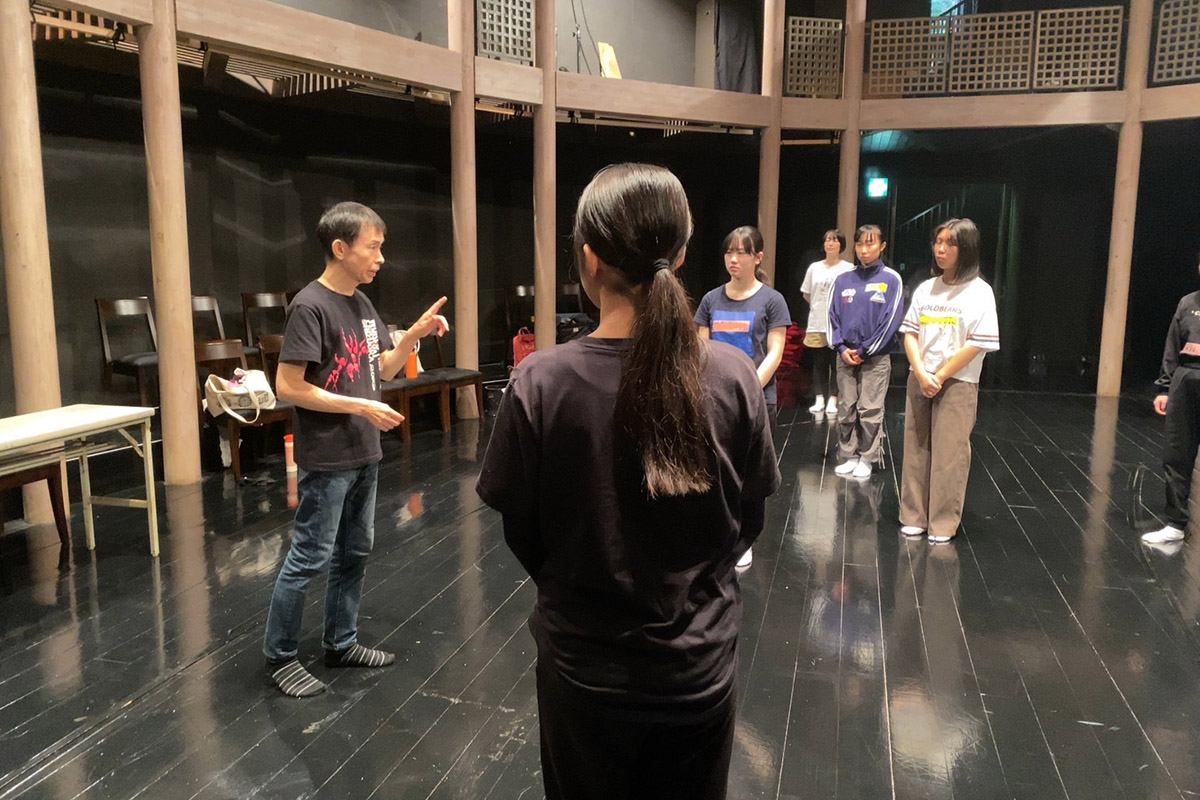
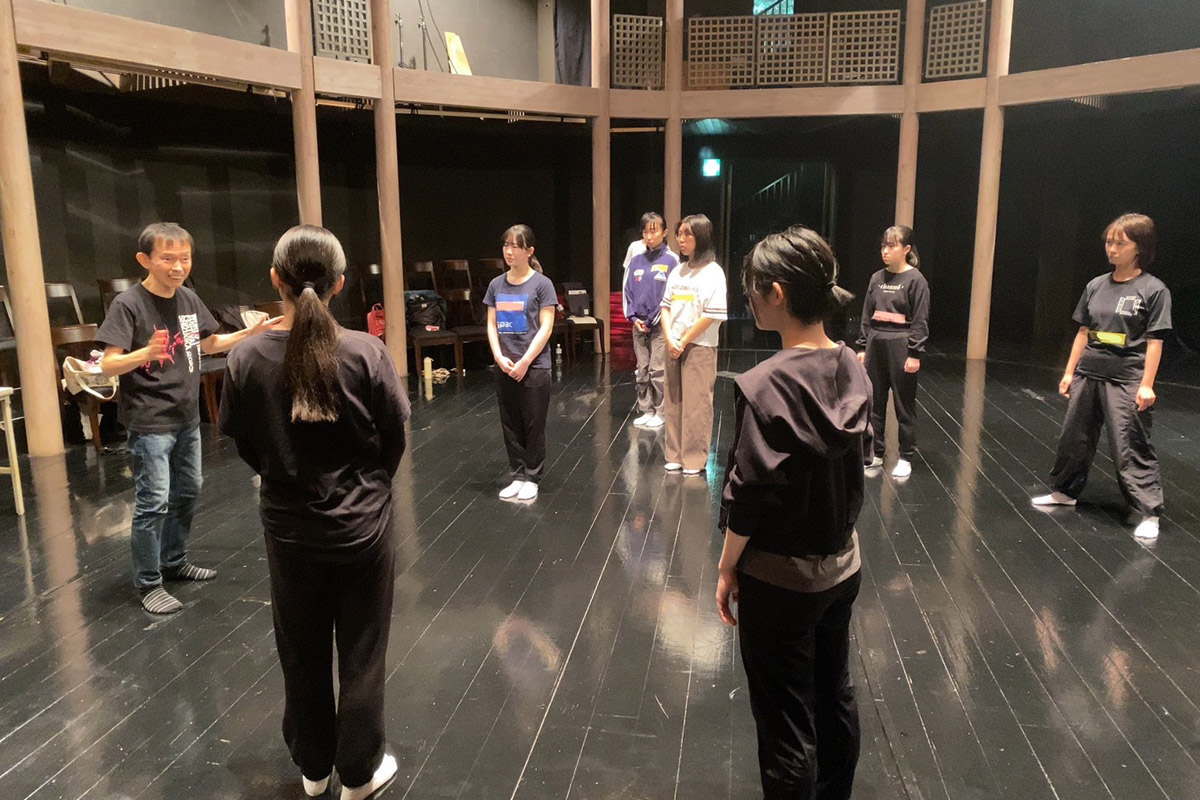
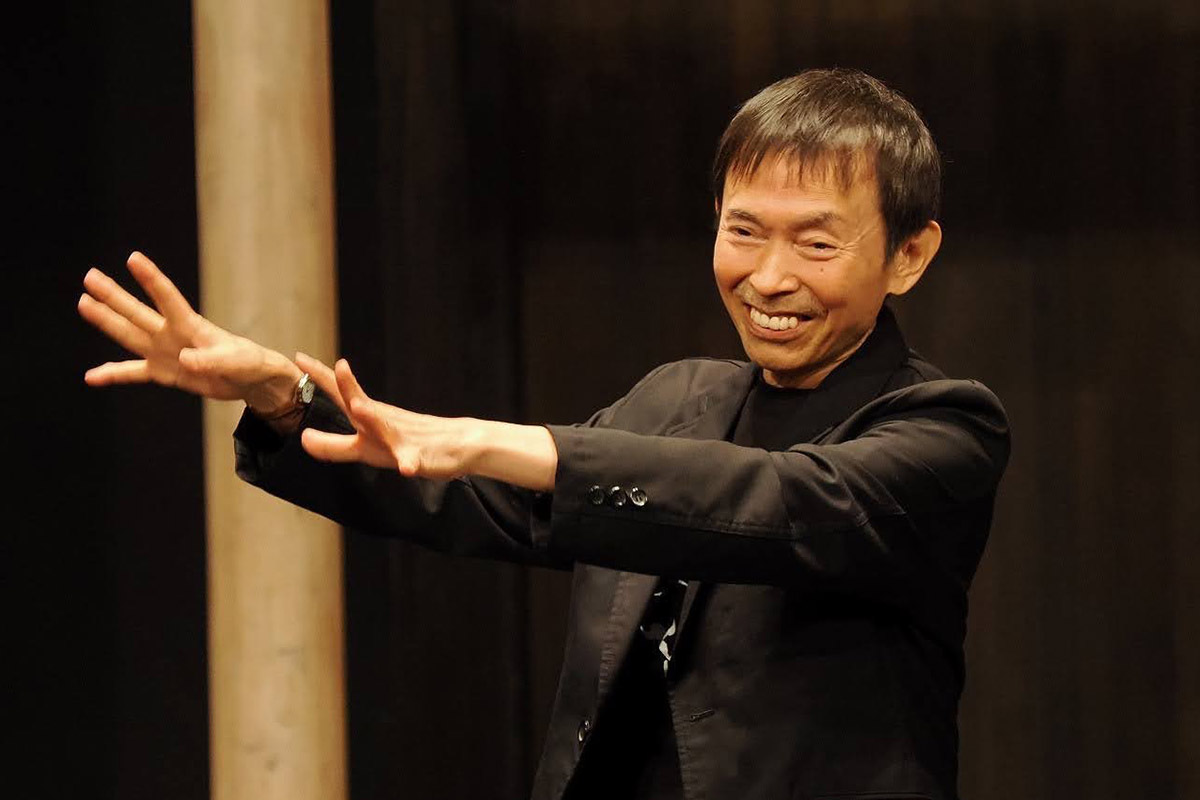
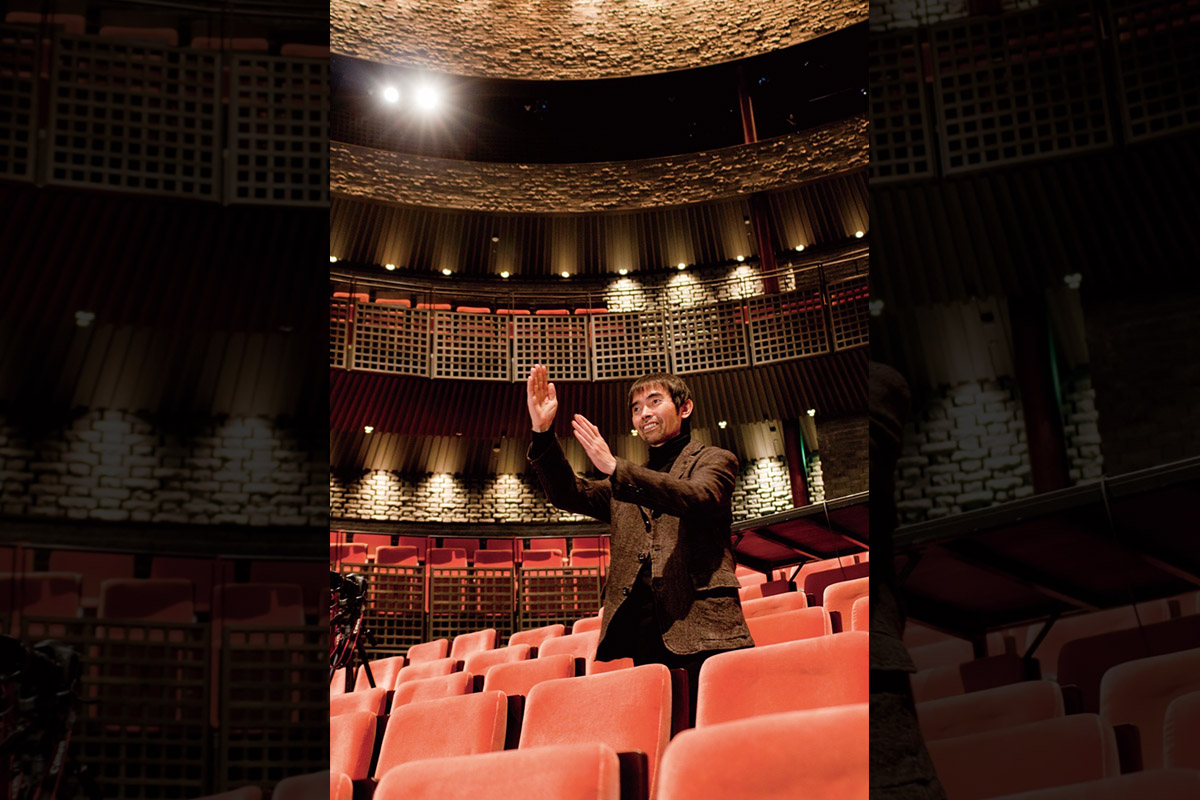
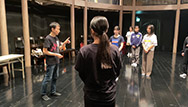
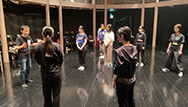
Instructor Introduction
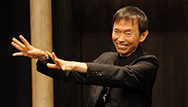
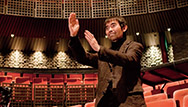
Satoshi Miyagi
Born in Tokyo in 1959, Satoshi Miyagi is a theater director and the Artistic General Director of SPAC (Shizuoka Performing Arts Center).
After studying theater theory at the University of Tokyo under Yushi Odashima, Moriaki Watanabe, and Hachiro Hidaka, he founded the theater company "Ku Na'uka" in 1990. Miyagi has gained international acclaim for his unique directing style, which fuses contemporary textual interpretation with the physical techniques and stylistic traditions of Asian theater.
Appointed as the Artistic General Director of SPAC in April 2007, he has managed the institution as a "window to the world." Alongside staging his own works, he curates international productions that offer sharp insights into contemporary society and is deeply committed to outreach programs.
In 2017, his production of Antigone was selected as the opening performance of the Festival d'Avignon in France. Staged at the Cour d'Honneur du Palais des Papes, it marked the first time in the festival's history that an Asian theater company opened the event. Other notable works include Medea, Mahabharata, and Peer Gynt.
Recently, Miyagi has also expanded into opera directing. In June 2022, he directed Idomeneo at the Festival d'Aix-en-Provence in France. In December of the same year, he became the first Japanese director to stage Mitridate, re di Ponto at the Staatsoper Unter den Linden (Berlin State Opera) in Germany, receiving significant critical acclaim.
Career Highlight
- 2023: The 50th Japan Foundation Awards
- 2019: Chevalier de l'Ordre des Arts et des Lettres (France)
- 2018: The 68th Art Encouragement Prize from the Minister of Education, Culture, Sports, Science and Technology
- 2005: The 2nd Asahi Beer Arts Award
- 2004: The 3rd Asahi Performing Arts Award
Workshop Objectives & Curriculum
- A truly skilled actor, regardless of their acting style, does not act merely by their own volition. Instead, they possess a "receptive" body that allows itself to be influenced by the external world.
- To cultivate this receptivity, one must learn to lower their physical defenses. To stand fearlessly without these defenses requires rigorous training in deepening one's sensory awareness.
- This workshop focuses on these foundational training exercises.
-
Spreading Fingers (指広げ)
Living in a world of information overload, our bodies naturally shut off sensory input from the outside to avoid fatigue. This is the very first step of the training, aimed at reopening those senses.
-
"Ho-" (ほー)
A group vocal exercise focused on listening to one’s own voice alongside others. Starting from the softest possible sound, the group builds up to a crescendo, then decrescendos back down over the same duration.
(Note: Maintain a consistent volume throughout each breath.) -
Walking (歩行)
A movement exercise where the "subject" of your movement is shifted away from yourself. Participants walk slowly while imagining various relationships and external contexts.
-
Etude 1 (エチュード1)
Standing on stage as a "weak creature." The goal is not to initiate movement yourself, but to enter slowly from the back of the stage while allowing yourself to feel and be affected by your surroundings. (Conducted individually.)
-
Etude 2 (エチュード2)
Moving as if being manipulated by strings. This training focuses on the sensation of being moved rather than moving oneself, cultivating awareness down to the finest details of the body.
-
Etude 3 (エチュード3)
Expressing the "world" of sound through the body. Participants embody the texture of words—such as the names of colors—and physically trace transitions like color gradients.
-
Etude 4 (エチュード4)
Letting music flow into the body and observing how you move or change in response to that sound. The focus is strictly on "reception"; participants must remain vigilant to ensure they are not imposing their own "expression" onto the music.